Incision & Drainage

About Incision & Drainage

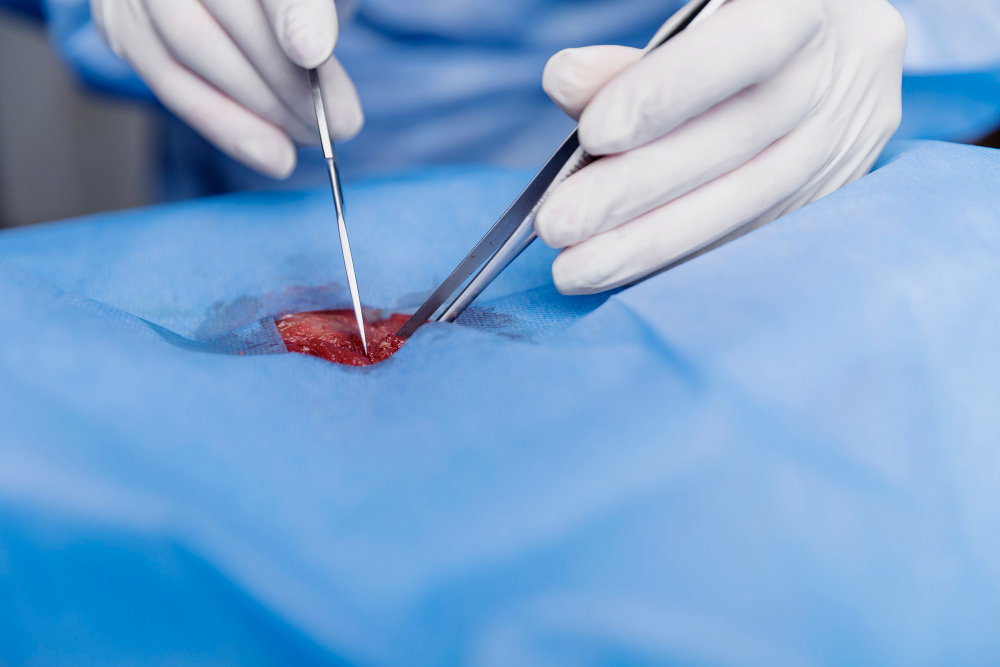
Incision & Drainage (I&D) is a minor but essential surgical procedure used to treat localized infections such as abscesses, cysts, or boils in the vaginal, vulvar, or surrounding pelvic areas. These conditions can cause pain, swelling, redness, and discomfort if left untreated. The procedure involves making a small, precise incision to drain the accumulated pus or infected fluid, helping relieve pain, reduce infection, and promote faster healing. It is usually performed under local anesthesia and is a safe, quick, and effective treatment when medications alone are not sufficient.

Dr. Rusa Mitra offers expert care for Incision & Drainage procedures with a strong focus on patient comfort, hygiene, and safety. She carefully evaluates the condition to determine whether I&D is necessary and ensures the procedure is done gently using sterile techniques. Her experience in managing gynecological infections allows for accurate diagnosis, minimal discomfort, and reduced risk of recurrence or complications.

Under Dr. Rusa Mitra’s care, patients receive complete support—from proper pain management during the procedure to detailed post-procedure guidance for recovery and infection prevention. She also addresses the root cause of the infection and provides follow-up care, medications if required, and personalized advice to ensure smooth healing and long-term vaginal health.

Frequently Asked Questions

While gynecology deals with the medical care of women’s health issues, obstetrics is related to care during pregnancy, childbirth, and immediate post-delivery. An obstetrician performs the delivery of babies via vaginal birth and caesarean section. Gynecologist does the treatment of issues related to reproductive organs like vaginal or uterine infections, infertility issues, etc..

Yes, gynecologists do perform various surgeries. Some of the common gynecologic surgeries are:

  • Removal of ovarian cysts.
  • Removal of fibroids in the uterus.
  • Surgical treatment of gynecological cancers such as cervical, uterine, and ovarian.
  • Removal of the uterus, ovaries, or other parts of a woman’s reproductive system.

There are also other procedures performed by gynecologists to help them look inside the urinary tract and uterus to check for any abnormalities.

Ideally, girls should schedule their first visit to a gynecologist between the ages of 13-15 years. It might just be a general talk with the doctor and know what to expect from your future visits. It is advisable to visit gynecologists annually for the check-up and at any other time when there is a concerning issue.

The first visit might only be a conversation between you and the doctor. This will also set a schedule for your future visits and advice from the doctor to stay healthy and take any precautions if needed. The doctor can ask you numerous questions regarding your health and medical issues to understand your case better. In some cases, few tests are also done on the first visit.

Our Specialists